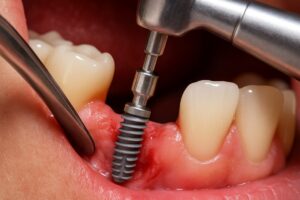

Denture implants replace a full arch of teeth with stable, natural-looking prosthetics anchored to dental implants. They help people who have lost many or all teeth, those unhappy with slipping removable dentures, and anyone seeking stronger chewing, clearer speech, and a more confident smile. This article explains what denture implants are, the main types, how they work, who is a good candidate, benefits, treatment steps, costs and risks, and next steps if you’re considering denture implants.
What are denture implants?
Denture implants are prosthetic teeth attached to dental implants surgically placed in the jaw. Unlike traditional removable dentures that sit on the gums, denture implants are fixed or securely attached to implants. They differ from single-tooth implants because denture implants replace an entire arch or many teeth at once, often using fewer implants to support a full prosthesis.
Types of denture implant solutions
All-on-4 / All-on-6 full-arch systems
All-on-4 and All-on-6 are fixed full-arch prostheses anchored on four or six implants. They can often be loaded quickly, meaning temporary teeth are placed the same day as surgery for immediate function and aesthetics.
Implant-retained overdentures
Implant-retained overdentures snap or clip onto implants using attachments or a supporting bar. They are removable for cleaning but far more stable than traditional dentures, improving comfort and chewing.
Zirconia full-arch restorations
Zirconia restorations offer high strength and excellent aesthetics. They resist staining and chip less than acrylic, making them a popular choice for natural-looking full-arch teeth.
How denture implants work
Titanium or zirconia implants are placed into the jawbone, then abutments connect implants to the prosthetic. Osseointegration — the bone bonding to the implant — creates a stable foundation. Digital 3D imaging and guided implant placement improve accuracy, reduce surgical time, and help plan the final prosthetic position for optimal function and appearance.
Who is a good candidate for denture implants?
Good candidates have adequate bone or can undergo bone grafting, healthy gums, and controlled medical conditions. Smokers and people with uncontrolled diabetes face higher risks. Age alone isn’t a barrier, but realistic expectations about healing time and maintenance are important.
Benefits of denture implants
Denture implants improve chewing and speech, prevent bone loss, and feel more like natural teeth. They reduce slipping and sore spots from dentures and often restore facial shape. Many patients report better confidence and quality of life.
Treatment steps and timeline for denture implants
Consultation and 3D planning
A consult includes medical/dental history, exams, and CBCT 3D imaging for digital planning and guided placement.
Surgery and healing (bone grafts if needed)
Implants are placed under sedation or anesthesia. If bone grafts are needed, healing may take additional months before final restoration.
Prosthetic design and final restoration
After osseointegration, the final prosthetic is designed and fitted. Typical timelines run from a few months to six months, depending on grafting and healing.
Costs, insurance, and financing basics
Costs vary with the number of implants, materials (zirconia vs. acrylic), and additional procedures like grafts. Dental insurance may cover some steps; private financing and medical loan options are common for implant treatments.
Risks, longevity, and how to reduce complications
Risks include infection, implant failure, and prosthetic wear. Longevity depends on oral hygiene, regular follow-up, and using evidence-based materials. Choosing an experienced surgeon and digital planning reduces complications.
Why choose a specialized oral and maxillofacial surgeon for denture implants?
For denture implants in Bozeman, MT, an oral and maxillofacial surgeon brings surgical expertise, advanced 3D planning, guided placement, and anesthesia experience. Gallatin Valley Surgical Arts and Dr. Brenda Hall, DDS, MD offer board-certified care with extensive full-arch experience, digital planning, and zirconia options for predictable, natural-looking results.
Next steps: Is denture implants right for you?
To learn if denture implants in Bozeman, MT are right for you, schedule a consultation. Bring your medical and dental history. Expect 3D imaging, a personalized treatment plan, and a discussion of sedation, timelines, and financing. A brief consult is the first step toward stable, natural-looking teeth.