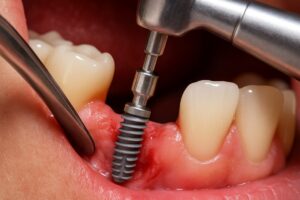
This article explains what happens during a tooth implant abutment procedure, why the abutment matters, and how to prepare and recover. You’ll learn what an abutment is, when it’s placed, step-by-step expectations for the appointment, common aftercare, risks, costs, and when to see a specialist.
What is a tooth implant abutment?
An abutment is the connector between the dental implant (the metal post in your jaw) and the final crown. Abutments can be stock or custom, and made of titanium or zirconia. Titanium is strong and well tolerated; zirconia is tooth-colored and can be more esthetic. The right choice affects fit, strength, and how the final crown looks.
When is the abutment placed?
Abutments can be placed immediately at implant surgery or after healing. Immediate placement may be possible when bone and soft tissue are healthy. Delayed placement is common after bone grafts, if infection was present, or when extra healing time is needed for osseointegration.
Before the abutment appointment
Consultation and planning
Your team will review medical and dental history, take 3D images, and make a surgical plan. Digital scans help the lab design a crown and ensure the abutment aligns properly with neighboring teeth.
Preparing for the day
Follow fasting and sedation instructions if you’ll have IV or oral sedation. Avoid blood-thinning medicines only if your surgeon says so. Bring a list of medications, ID, and a companion if you expect sedation.
Step-by-step: the tooth implant abutment procedure
Numbing and sedation
Local anesthesia numbs the area; many patients opt for nitrous oxide or IV sedation for comfort. You may feel pressure but not sharp pain.
Accessing the implant and placing the abutment
The surgeon removes any healing cap, checks implant stability, seats the abutment, and torques it to the correct tightness. The fit is verified and adjusted so the crown will sit properly.
Impressions or digital scans
The team takes a traditional impression or an intraoral digital scan to send to the lab. Digital scans are fast and accurate and often speed up crown fabrication.
Temporary vs. final restoration
A temporary crown may be placed to shape the gum and protect the site. In select cases with excellent stability, immediate loading with a final restoration is possible.
What to expect after the procedure
Expect mild soreness, swelling, and sensitivity for a few days. Symptoms usually improve over 3–7 days. Call your surgeon for heavy bleeding, severe pain, fever, or signs of infection.
Home care and recovery instructions
Oral hygiene
Keep the area clean with gentle brushing and a recommended antimicrobial rinse. Avoid vigorous rinsing the first 24 hours.
Eating and activity
Stick to soft foods for about a week and avoid chewing directly on the new abutment until your provider says it’s safe. Limit strenuous exercise for 48–72 hours.
Follow-up and when the final crown is placed
Follow-up visits check healing and fit. The final crown is usually delivered after osseointegration, often 3–6 months, or sooner with guided protocols.
Possible risks and how they’re managed
Risks include infection, loose abutment, poor fit, or nerve discomfort. Most are managed with antibiotics, tightening or replacing the abutment, or minor revision surgery.
Cost, insurance, and financing basics
Costs vary by abutment type, implant complexity, and lab fees. Some dental plans cover parts of the crown or abutment; financing plans and medical lending can help spread payments.
Why see a specialist for your tooth implant abutment procedure
Oral and maxillofacial surgeons offer advanced 3D planning, guided placement, and experience managing complex bone grafts and full‑arch cases. Specialists reduce risk and improve predictable outcomes.
About Gallatin Valley Surgical Arts and Dr. Brenda Hall
Gallatin Valley Surgical Arts in Bozeman, Montana, uses 3D imaging, guided implant systems, and zirconia restorations for precise results. Dr. Brenda Hall is a board-certified oral and maxillofacial surgeon with extensive experience in single-tooth and full-arch implant care.
Next steps / Call to action
To discuss your tooth implant abutment procedure in Bozeman, Montana, schedule a consultation. Bring a list of medications, prior images, and any questions about timing, materials, or cost. The team can build a custom plan for your smile.